The Art of Globalisation
the arts between creative expression and commodification
July 31, 2025
This piece is about art and globalisation. It does not even consider AI, which is a whole other can of worms I am not opening today.
The art of this new era or so-called contemporary art is characterised by their artists working in a globally influenced environment that is very culturally diverse and technologically advanced. Art works by contemporary artists are exceedingly diverse in style and subject matter. In many cases, popular culture itself is the subject of contemporary art. The last twenty years an array of new art forms have been made possible, primarily through digital tools and online art platforms. The large-scale production of digital art, video art, design, and copy-art is now a fact. Together with this commodification of art, the art world has become interconnected and global (Bydler, C., 2004).

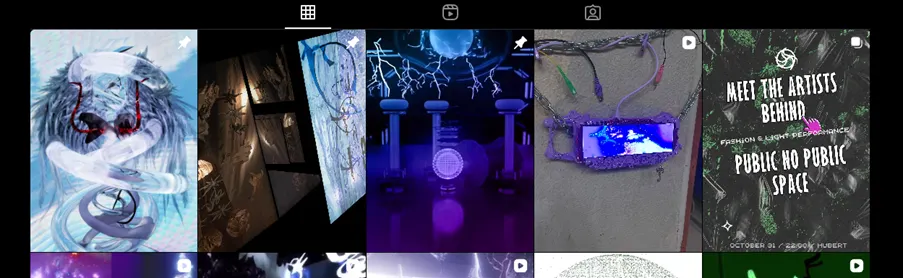
Contemporary art can truly be seen as the global art, with all its advantages and disadvantages. Globalisation has connected the global art world in idea space, while still largely excluding developing countries in production and sales. Globalisation makes it possible for art to have multiple or far-away influences. Therefore, many contemporary artworks are now even about globalisation and related topics such as overpopulation, multiculturalism, or geopolitics. Contemporary art has in certain areas acted as a mirror of globalisation. It has undergone marketisation, commodification, shown a division between developed and developing world, and has seen homogenisation and diversification occur simultaneously (Bydler, C., 2004).
Before the era of contemporary art, there used to be an Elite Art World, primarily located in New York, Paris, London, and, to a lesser extent, Berlin (Crane, D. 2009). Geographical location of the artist shaped their fate. In these neighbourhoods, art was created, discussed, and sold. Tastes and prices of the Art World generated here. So, what has this new era of connectedness brought to the Art World?
The Elite Art World is still present (Crane, D. 2009). This scene has become more globalised, and has expanded beyond the few cities it originated in. However, a handful of international art fairs and auction markets still dictate almost everything in the Elite Global Art Market, from trends to pricing (Ellison, 2004). The thing that has changed the most in this Elite Art World is what determines an artist’s success. While at first the work was critiqued by peers on aesthetic elements and the artist achieved success from this, now the publicity and even clamour that results from the artwork determines the importance of the work (Crane, D. 2009). The globalisation of the art world also has caused a value shift regarding success. Because the earlier art world was so peer-led and only accessible by the educated, success stemmed from consensus within these communities and not so much from economic incentive. However, the last two decennia this has turned around completely, successful artists are now the ones getting the highest payments for their works. The strategy for artists to become successful now is not to appeal to their educated peers, but to the uneducated public. Think Drake instead of Kendrick.
So, artists now must appeal to the public. With the global market open for them, art has become for the masses. The amount of contemporary art sold is far greater than artforms before it. There is more excess wealth in the world and upcoming countries seem to value contributing to a global culture, even though the Elite Art World is still primarily based in the most developed countries (Crane, D. 2009). This has led to art becoming more of a commodity. Commodities are basic goods interchangeable between producers, usually materials such as grains, gold, beef, or oil. The commodification of art does not automatically mean creative expression is lost. If anything, the global market should give artists the ability to find the audience suited for their unique tastes. If we see a diversification in art and a growing pool of successful artists, then creative expression has only increased. Unfortunately, Diana Crane has indicated that no such thing is happening. While successful artists are able to earn more and more, the number of successful artists has not grown. These successful artists are often very unique, but the masses stick to these few popular artists or flock to copy art made in a similar style. This copy art is mass produced shortly after an artwork becomes successful. It is not made with the purpose of deceiving the public that it is an original, it only caterers to the now popular style that the public wants. This has become normative in e.g. interior design and fashion. This copy art is not authentic at all and has nothing to do with creative expression.
Contemporary art now experiences mass consumption, but only in the developed world (Harris, J., 2013). It is widely available and thus less special; it is seen as a commodity. Technological advancements shortly after the industrial age have made it possible for art to shift to industry and be commodified. Film, music, and fashion are already large industries appealing to masses, operating with commercial and economic incentives. Because of globalisation in this decade, elite contemporary art has also become an industry (Crane, D. 2009). The commodification of art also leads to the artist seeing the public as a homogenous mass, because once an artwork is popular the public acts as such. There is only one audience to provide for, the perfect job for an industry. Contemporary art now sees seasonal trends (Crane, D. 2009), and like music or fashion the game becomes about keeping up with the latest trends rather than describing aesthetic quality. When success was still decided among peers, an artist could of course also appeal to their taste and be unauthentic this way. However, when art is moved to industry, authenticity is not valued at all anymore, all that matters is the commercial and economic success. Creative expression no longer has to be a part of art.
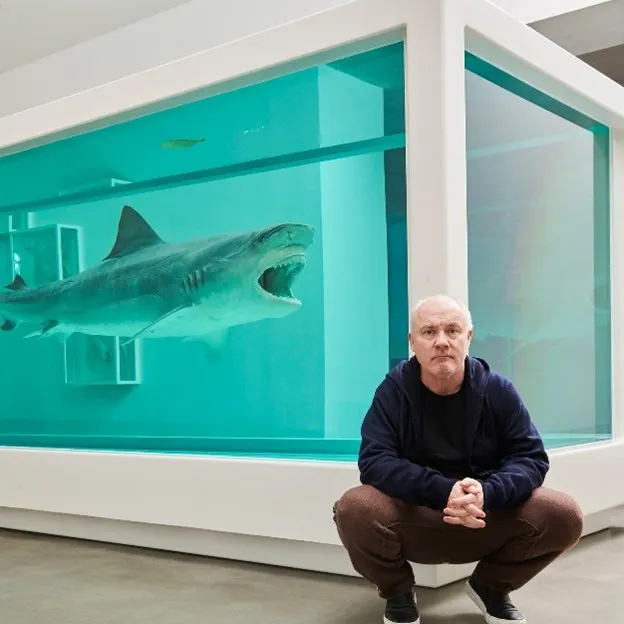
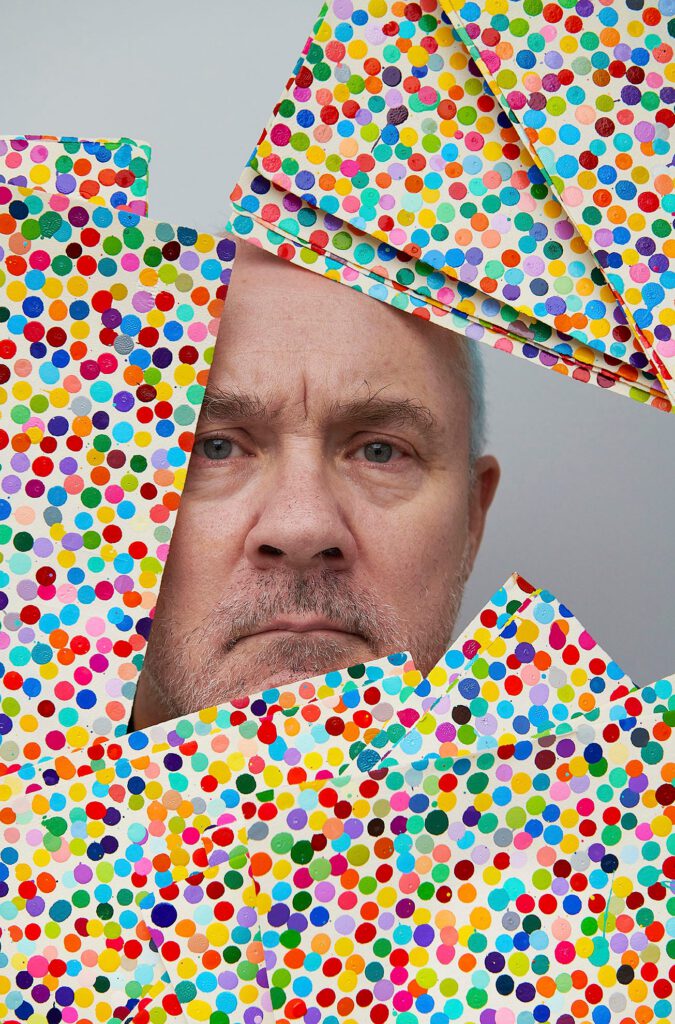
The commodification of art also has led to the creation of brands within the contemporary art world. Rather than being a proponent of avant-garde, the successful contemporary artist can be characterized as an entrepreneur running a business which operates in a global market (Crane, D. 2009). And a business has an image, a vision and mission to portray to the world and stick to. As such, artists, like Damien Hirst, claim that they are not concerned with being original but with establishing brand names that represent a trademark style (Lury, C., 2005). This means that the artists give up creative expression once success has been obtained, in order to retain this success. The artist is now limited to the image of the brand.
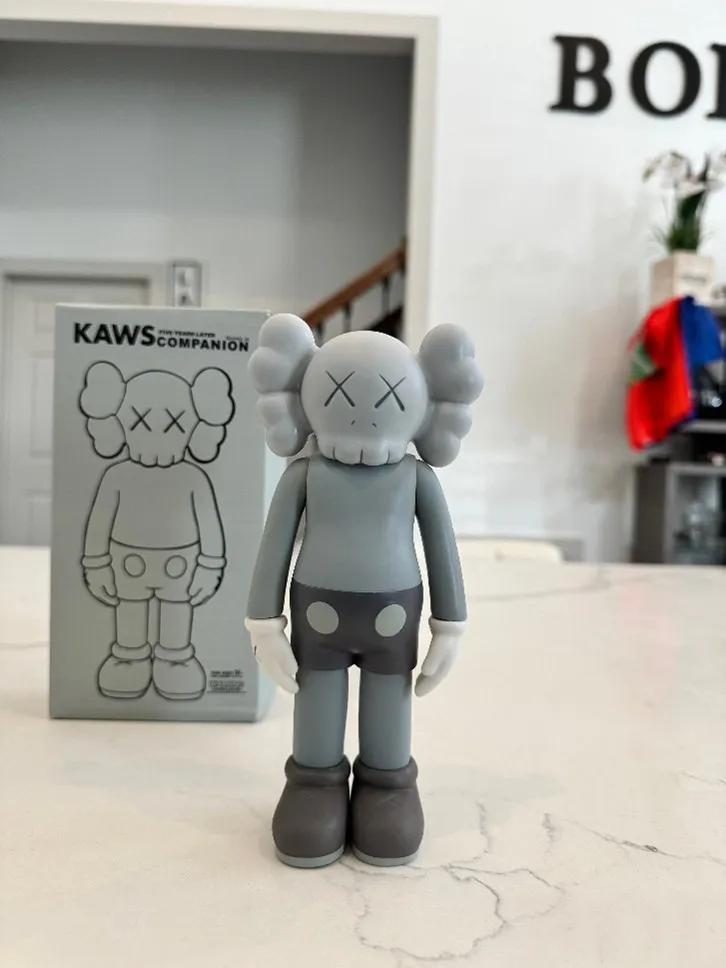
Another interesting trend globalisation has caused is the spread of specialisation. This has also led to a division of labour within the Elite Art World. Most successful artists have many assistants, and some do not even touch their own works at all anymore (Crane, D. 2009). There is an increasing division of labour between art workers and art thinkers. The contemporary artist is in practice more a philosopher than a craftsman (Fineman, 2006). That the artist is not touching the artwork anymore does not mean that he is not in touch with the work. The ideas can still be original and authentic; it is possible that another person could execute these ideas better than the art thinker. Only the art thinker gets credit for the artwork, as the idea has more value than the execution. This is also reflected in the way contemporary art is bought. It used to be unthinkable to buy an expensive artwork without having it seen in person or even in the place it is meant to go after purchase. Now an artwork can be bought online with only a digital picture or animated version as reference. This seems to indicate that the authenticity of an original idea is still valued in the Elite Art World. Or this could be a characteristic of impulsive buyers trying to keep up with the latest trends.
The value of an artwork is determined by the interaction between the artist and the audience. Creative expression is not only coming from the side of the artist, but also from the side of the audience, together they shape the complete meaning of the artwork (Leur, T., 2019). Because commodification means more offer for the audience, the audience can be very picky in what it chooses, but it is not picky. The trend of mass production and consumption shows that the audience would rather follow the popular culture than think for themselves. Instead of a growing number of artists with unique styles we see mass consumption of a few artists, the audience is not adding to the creative expression. While at first the audience of the Art World was limited but educated in art, now the uneducated masses consume without consideration. Even though the art sold has increased, and the audience has grown enormously, the creative expression of the audience has not. This is most likely also because of budget reasons. Mass produced art is cheaper than more original pieces catered to the specific taste of a smaller audience.
To conclude, contemporary art has acted as a mirror for globalisation in certain areas and has felt the consequences of globalisation. The Art World has been changed by globalisation, as have so many other fields. Globalisation leads to commodification which leads to less creative expression. Globalisation brings a global market for the Art World, this gives rise to mass-appeal, brand formation, and copy art. Art has become an industry to supply the masses. The audience in turn mass consumes contemporary art in order to keep up with trends, in this process the creative expression of the audience in also lost. Even though globalisation gives some opportunity for more creative expression within the art world, in practice this does not seem to be happening.
Now go forth and cultivate your soul lmao.
References
Comments
Fantastic!
Fantastic article!